 Luminus
Nutritional Guidance for Men
Balanced Diet Principles and Healthy Lifestyle Choices
Understanding Individual Nutritional Needs
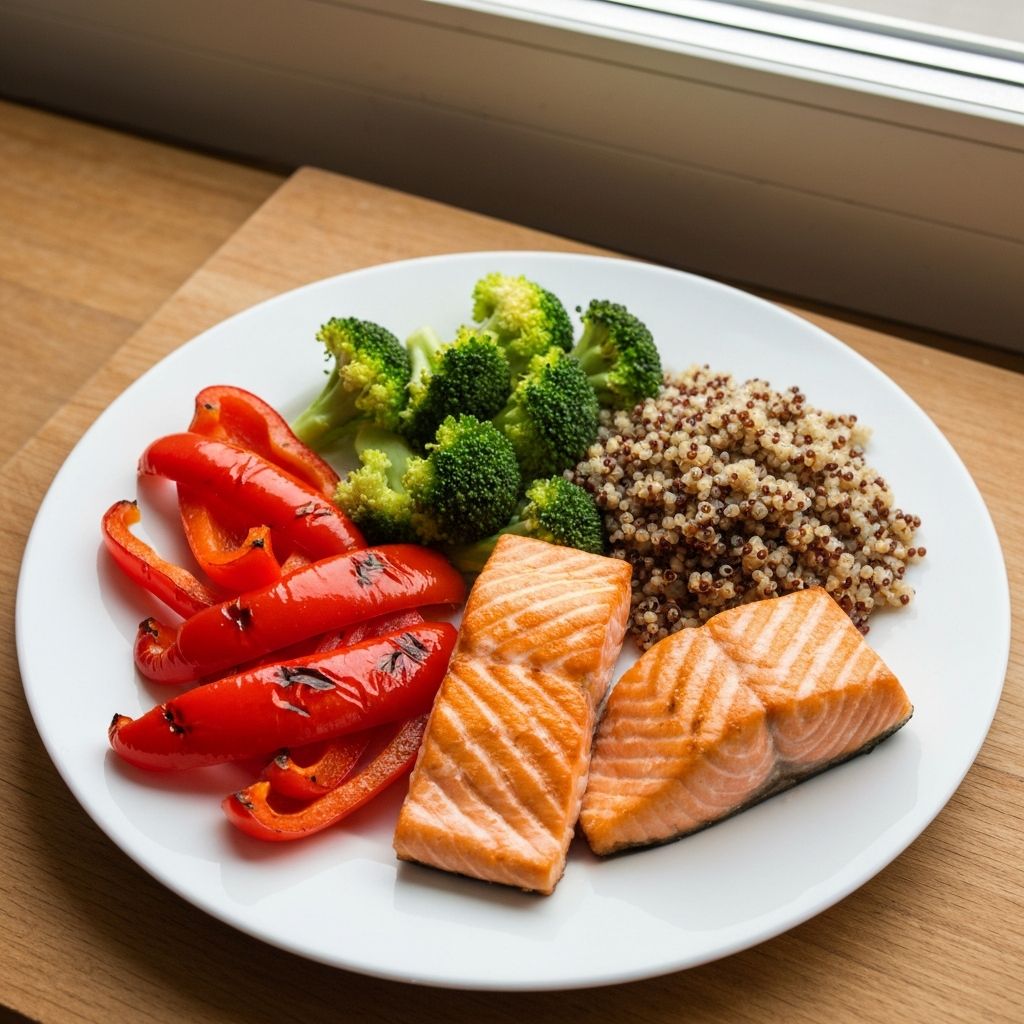
Nutritional requirements vary significantly among individuals based on age, activity level, metabolic factors, and overall health status. Rather than prescribing specific diets, this page presents general principles of balanced eating that individuals can explore with healthcare professionals.
Key Nutritional Principles
- Include diverse whole foods across multiple food groups
- Balance macronutrients: proteins, carbohydrates, and fats
- Incorporate micronutrient-rich foods for comprehensive nutrition
- Maintain adequate hydration throughout the day
- Consider portion sizes appropriate for your lifestyle
Essential Nutrients for Overall Wellness
Vitamin D
Important for bone health, immune function, and calcium absorption. Found in fatty fish, egg yolks, and enhanced dairy products. Also produced through sun exposure.
Zinc
Supports immune function and protein synthesis. Found in oysters, beef, pumpkin seeds, and legumes. Important for general wellness and cellular function.
Magnesium
Essential for muscle function, energy production, and nerve function. Found in nuts, seeds, whole grains, and leafy greens.
Iron
Necessary for oxygen transport throughout the body. Found in red meat, poultry, legumes, and fortified grains. Plant-based sources are better absorbed with vitamin C.
Building a Balanced Plate

Plate Composition Guidelines
Proteins: Include varied sources—both animal and plant-based. Options include fish, poultry, eggs, legumes, nuts, and dairy.
Vegetables and Fruits: Aim for variety and color. Different colors provide different nutrients. Include leafy greens, colorful vegetables, and seasonal fruits.
Whole Grains: Choose whole grain options like brown rice, oats, quinoa, and whole wheat bread for sustained energy and fiber.
Healthy Fats: Include sources like olive oil, avocados, nuts, and fatty fish for comprehensive nutrition.
Note: Individual portions should be adjusted based on personal activity level and overall health. Consulting with a registered dietitian can help determine appropriate portions for your specific needs.
Physical Activity and Wellness
Lifestyle and Movement
Regular physical activity is an important component of overall wellness. Moderate activities like walking, swimming, cycling, yoga, or strength training contribute to cardiovascular health and general well-being.
Sleep Quality
Adequate, consistent sleep is fundamental to recovery and wellness. Sleep supports immune function, cognitive performance, and metabolic health. Creating a consistent sleep schedule supports overall vitality.
Stress Management
Managing stress through meditation, time in nature, social connection, and other practices supports comprehensive wellness. Stress management, nutrition, and activity work together to support overall health.

General Dietary Principles
Hydration
Adequate water intake supports all bodily functions. Individual hydration needs vary based on activity level and environment. A practical approach is to drink water consistently throughout the day and adjust for activity and climate.
Variety
Including diverse foods across multiple food groups ensures a comprehensive intake of different nutrients. Different colored vegetables, varied protein sources, and whole grain options support nutritional completeness.
Moderation
While all foods can fit into a balanced diet, portion awareness and moderation support overall wellness. Understanding nutrition labels and being mindful of portions contributes to balanced eating patterns.
Consistency
Regular, consistent eating patterns support stable energy and metabolic health. Rather than extreme approaches, sustainable, moderate patterns support long-term wellness.
Important Note
This page presents general nutritional principles for educational purposes. Individual nutritional needs vary significantly. Before making major dietary changes or addressing specific health concerns, consult with qualified healthcare professionals, registered dietitians, or medical doctors. This information does not constitute medical advice or personalized recommendations.